




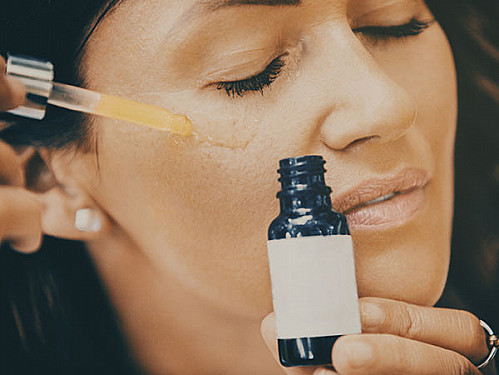
Vitamin C, or ascorbic acid, is pivotal in neutralising free radicals, thereby mitigating oxidative stress, a primary contributor to skin ageing. Its application enhances skin radiance, reduces hyperpigmentation, and promotes collagen production, leading to improved skin texture and firmness.
However, its efficacy is contingent upon proper formulation and application. L-ascorbic acid, the most potent form, is inherently unstable and can oxidise rapidly, diminishing its effectiveness. Stabilised derivatives like magnesium ascorbyl phosphate offer increased stability and are better suited for sensitive skin types.
When considering aesthetic treatments, it’s crucial to assess skin sensitivity. Pre-treatment with vitamin C can bolster skin resilience, but overuse or high concentrations may lead to irritation. A patch test is advisable to ensure compatibility.
How to Safely Incorporate Vitamin C into Your Skincare Routine
Integrating vitamin C into your skincare regimen requires a strategic approach:
- Start Gradually: Begin with lower concentrations (5-10%) to assess tolerance.
- Morning Application: Apply vitamin C serum in the morning post-cleansing to leverage its photoprotective properties, enhancing the efficacy of sunscreen.
- Layering: Follow with moisturiser and broad-spectrum SPF to seal in the serum and protect against UV damage.
- Storage: Store the serum in a cool, dark place to prevent oxidation. Discolouration or a change in smell indicates degradation.
Consistency is key. Regular use can lead to visible improvements in skin tone and texture over time.
Combining Vitamin C with Professional Aesthetic Procedures: What You Need to Know
Vitamin C can complement various aesthetic treatments, enhancing outcomes when used appropriately:
- Microneedling: Post-treatment application of vitamin C can amplify collagen production. However, immediate application may cause irritation; it’s advisable to wait 24-48 hours post-procedure.
- Chemical Peels: Pre-treatment use of vitamin C can prepare the skin, but post-peel application should be delayed until the skin has healed to avoid sensitivity.
- LED Light Therapy: Vitamin C can be used in conjunction with LED therapy. Applying vitamin C serum before red light therapy may enhance collagen synthesis, while post-treatment application can aid in skin repair.
Consultation with a skincare professional is recommended to tailor the integration of vitamin C with specific treatments.
Choosing the Right Vitamin C Products for Your Skin Type
Selecting an appropriate vitamin C product is essential for efficacy and skin compatibility:
- Dry Skin: Opt for serums with added hyaluronic acid to boost hydration.
- Oily Skin: Lightweight, water-based serums are preferable to avoid exacerbating oiliness.
- Sensitive Skin: Products containing stabilised derivatives like magnesium ascorbyl phosphate are gentler and less likely to cause irritation.
Product formulation, concentration, and additional ingredients should align with individual skin needs and concerns.
Maximising Results: Using Vitamin C with Microneedling and Chemical Peels
To optimise the benefits of combining vitamin C with treatments like microneedling and chemical peels:
- Timing: Allow the skin to recover post-treatment before applying vitamin C to prevent irritation.
- Concentration: Use lower concentrations initially, gradually increasing as tolerated.
- Hydration: Ensure the skin is well-hydrated to facilitate healing and enhance the absorption of vitamin C.
Monitoring skin response and adjusting usage accordingly is vital to achieving desired outcomes.
Understanding Vitamin C Concentrations: Finding the Optimal Strength for Your Skin
Vitamin C serums are available in varying concentrations, typically ranging from 5% to 20%:
- 5-10%: Suitable for sensitive skin or beginners.
- 10-15%: Ideal for regular use, balancing efficacy and tolerability.
- 15-20%: Offers maximum antioxidant benefits but may cause irritation in sensitive individuals.
Higher concentrations do not necessarily equate to better results and may increase the risk of adverse reactions. Selecting a concentration appropriate for your skin type is crucial.
Avoiding Common Mistakes: Proper Application and Storage of Vitamin C Products
To maintain the potency and effectiveness of vitamin C products:
- Application: Apply to clean, dry skin before moisturisers and sunscreens.
- Storage: Keep the product in opaque, airtight containers away from light and heat to prevent oxidation.
- Shelf Life: Be mindful of expiration dates; oxidised vitamin C serums may appear brownish and are less effective.
Proper handling ensures the longevity and efficacy of vitamin C skincare products.
Conclusion
Vitamin C is a versatile and potent ingredient in aesthetic skincare, offering numerous benefits when used correctly. Understanding its properties, appropriate application, and integration with professional treatments can significantly enhance skin health and appearance. Combining it with advanced modalities such as microneedling, chemical peels, or LED light therapy, when done safely and under expert guidance, can elevate your results and help you maintain a luminous, even-toned complexion as you age.
At S-Thetics, we offer expert-led consultations tailored to your skin type, concerns, and goals. Whether you’re new to Vitamin C or seeking to incorporate it into a treatment plan, our clinical team will guide you with precision and care.
Feel more confident in your skin – book your consultation today and experience the S-Thetics difference.
Find out more about EXIOM
Talk to us today about the new EXIOM treatment and how it can benefit you.